



The Ultimate Guide to Interior Lighting: Types, Styles and Design Principles
Key Takeaways
- Effective interior lighting combines three essential types: ambient, task and accent lighting
- Proper fixture placement is crucial - chandeliers should hang 30-36 inches above dining tables
- Warm lighting (2700K-3000K) is ideal for most living spaces
- Different rooms require specialised lighting approaches (bathrooms need shadow-free lighting, kitchens benefit from under-cabinet lighting)
- Modern lighting trends include energy-efficient LEDs and smart lighting systems
- Strategic lighting enhances architectural features and creates visual harmony in your space
Understanding the Fundamentals of Interior Lighting
Lighting is more than just a practical necessity in our homes and workspaces. It's a powerful design element that shapes how we see space, affects our mood and makes every room more useful. When planned well, lighting transforms ordinary spaces into amazing environments that meet our needs and improve our daily lives.
The art of interior lighting is about understanding how different types of light work together to create layers. This layered approach meets practical needs and adds to the beauty and feeling of your space. Proper lighting design thinks about both the technical parts of light and how light affects our comfort and well-being.
Ambient lighting provides the base layer of light in a room, making sure there's enough light to move around safely and comfortably. Task lighting focuses on specific areas where activities like reading, cooking, or working happen. Accent lighting adds drama and visual interest by highlighting architectural features, artwork, or decorative elements.
Wall lighting fixtures like sconces can serve multiple purposes, working as ambient, task, or accent lighting depending on where you put them and how they're designed. This makes them valuable in any lighting plan.
The Essential Types of Interior Lighting
Ambient Lighting: Creating the Foundation
Ambient lighting forms the foundation of your lighting design, providing general light that lets you move safely through a space. This primary layer of light replaces natural sunlight and sets the overall mood of a room. Without good ambient lighting, spaces can feel cave-like and unwelcoming, no matter how beautiful your furniture might be.
Common sources of ambient lighting include:
Ceiling-mounted fixtures that spread light evenly throughout a space are practical solutions for rooms where a more subtle overhead light is preferred. These fixtures sit flush against the ceiling or hang down slightly, making them ideal for rooms with lower ceilings where a pendant or chandelier might not work.
Ceiling lights including recessed downlights create a clean, unobtrusive look that works well in modern spaces. These fixtures are installed inside the ceiling, directing light downward without interrupting your ceiling. They're particularly good when arranged in a grid pattern to provide even light throughout a room.
Wall-mounted fixtures that bounce light off walls and ceilings create a soft, diffused glow that reduces harsh shadows. These fixtures can be particularly useful in hallways, stairwells, and rooms where floor and table space is limited. They also add an architectural element to your walls, making the room more interesting even when not lit.
The key to successful ambient lighting is achieving even illumination without harsh shadows or overly bright spots. This creates a comfortable environment that serves as the perfect backdrop for your more focused task and accent lighting. When planning your ambient lighting, think about the size of your space, ceiling height, and how much natural light the room gets throughout the day.
Task Lighting: Functionality and Focus
Task lighting serves a specific purpose: to provide focused illumination for activities that require visual concentration. This targeted lighting helps reduce eye strain and improves productivity by ensuring adequate brightness exactly where you need it. Without proper task lighting, even simple activities like reading, cooking, or working at a desk can become frustrating and potentially harm your eyes.

Effective task lighting solutions include:
Table and desk lamps for reading, writing, or computer work provide adjustable, focused light that can be positioned exactly where needed. Look for designs with movable arms or adjustable heads that let you direct the light precisely. The base of the lampshade should align approximately with your eye level when seated to minimize glare and shadows.
Under-cabinet lights in kitchens to illuminate countertops are essential for safe food preparation and cooking. These fixtures eliminate shadows cast by overhead lighting and ensure you can clearly see what you're doing when working with sharp knives or reading recipes. LED strip lights or puck lights are popular options that provide even illumination across your work surface.
Vanity lights in bathrooms for grooming tasks should be positioned to minimize shadows on the face. Ideally, bathroom task lighting should include fixtures on both sides of the mirror at eye level, with overhead lighting too. This arrangement provides the most flattering and functional illumination for activities like applying makeup or shaving.
When selecting task lighting, consider both the intensity and direction of light. The fixture should provide enough brightness without causing glare, and it should be positioned to illuminate your work area without casting shadows from your hands or body.
Floor and table lamps offer flexibility in task lighting, allowing you to adjust their position as needed. Many modern designs also serve as decorative elements, adding to your room's overall look. Look for models with built-in dimmer switches for maximum versatility, allowing you to adjust the light intensity based on your specific needs and the time of day.
Lighting for Specific Rooms
Kitchen Lighting: Combining Function and Style
The kitchen demands a thoughtful lighting plan that addresses both practical needs and looks good. As one of the most active spaces in the home, kitchens require multiple lighting sources to accommodate various tasks and create a welcoming atmosphere. From food preparation to family gatherings, your kitchen lighting needs to be versatile enough to support all the ways you use this important space.
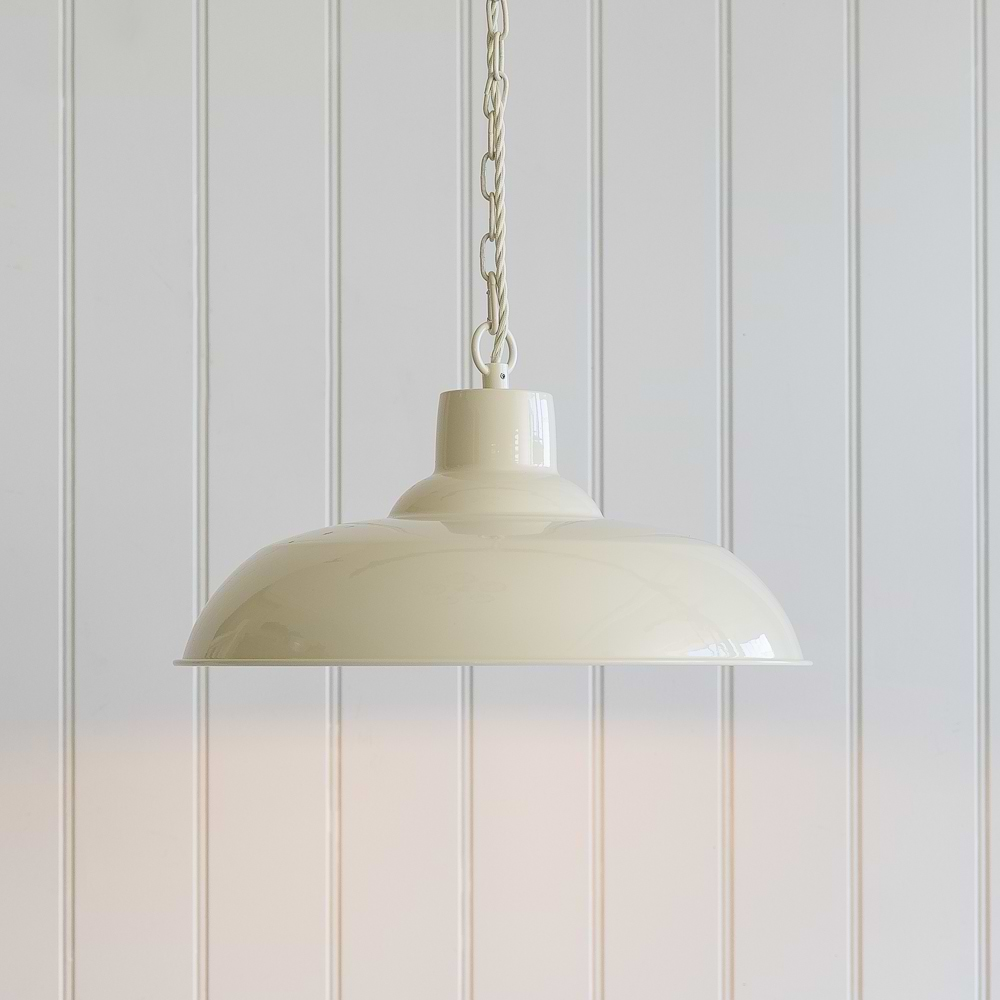
A well-designed kitchen lighting plan includes:
Ambient lighting from recessed ceiling fixtures or a central pendant to provide overall illumination ensures you can navigate the space safely. In larger kitchens, a grid of recessed lights works well to eliminate shadows throughout the room. For smaller kitchens, a central fixture might be enough if supplemented with other lighting types.
Task lighting focused on work areas, typically under-cabinet LED strips that eliminate shadows on countertops, is essential for safe and effective food preparation. This lighting should be positioned toward the front of the cabinet to illuminate the entire countertop rather than just the backsplash. Consider adding task lighting inside pantries and cabinets as well for improved visibility.
Accent lighting to highlight architectural features or display areas, such as interior cabinet lighting with glass doors, adds visual interest and depth to your kitchen design. Toe kick lighting under cabinets can create a floating effect while providing subtle night lighting for midnight snack runs.
Decorative lighting like statement pendant lights over islands or dining areas adds personality and style to your kitchen. These fixtures often serve as focal points and should complement your overall design aesthetic while providing functional illumination for dining and gathering.
When selecting fixtures for kitchen islands or dining areas, consider both the scale of the space and the visual weight of the fixtures. Ceiling lighting should be proportionate to the surface it illuminates, with multiple smaller pendants often working better than a single large fixture for longer islands or tables.
For maximum flexibility, install dimmers for all kitchen lighting. This allows you to adjust light levels throughout the day, from bright, energizing light for morning food preparation to softer, more intimate lighting for evening dining. Many homeowners also appreciate having separate switches for different lighting zones, allowing for customized lighting based on the activities taking place.
Bathroom Lighting: Practical Considerations
Bathroom lighting requires special attention to functionality while still looking good. The main challenge is providing adequate, shadow-free lighting for grooming tasks while creating a relaxing atmosphere for self-care routines. Bathrooms also present unique safety considerations due to the presence of water, making proper fixture selection and placement particularly important.

Effective bathroom lighting includes:
Vanity lighting that illuminates the face evenly from both sides, minimizing shadows that can make grooming tasks difficult. The most flattering arrangement places fixtures on both sides of the mirror at approximately eye level, creating even cross-illumination of the face. This setup eliminates the harsh shadows that can occur with overhead-only lighting, which can exaggerate facial features and make tasks like applying makeup or shaving more challenging.
Overhead ambient lighting from recessed fixtures or a decorative ceiling fixture ensures adequate general illumination throughout the space. In larger bathrooms, multiple recessed lights may be necessary to eliminate dark corners. For a touch of luxury, consider a small chandelier or decorative flush-mount fixture if ceiling height permits.
Task lighting near the shower or tub area for safety and functionality helps prevent slips and falls while creating a spa-like atmosphere. Recessed lighting with proper wet-area trim is ideal for shower areas, while sconces or vanity lights can illuminate tub areas for reading or relaxation.
Accent lighting to highlight architectural features or create a spa-like atmosphere adds a touch of sophistication to your bathroom design. Consider LED strip lighting under floating vanities, around mirrors, or along toe kicks to create a subtle glow that enhances the room's ambiance.
Bathroom lighting should be selected with moisture resistance in mind. Look for fixtures rated for damp or wet locations, particularly near showers and tubs. LED options are increasingly popular for their energy efficiency and longevity, making them ideal for bathroom applications where changing bulbs can be inconvenient.
For larger bathrooms, consider creating zones of light that can be controlled independently. This allows for bright, functional lighting during morning routines and softer, more relaxing light for evening bath time. Installing a nightlight feature or motion-activated floor lighting can also improve safety for nighttime bathroom visits without disrupting sleep cycles.
Living Room Lighting: Creating Ambiance
The living room serves multiple purposes, from casual conversation to television viewing to reading and hobbies. Your lighting plan should be equally versatile, with options that can be adjusted to suit different activities and moods. A well-designed living room lighting scheme creates a welcoming environment that can transition seamlessly from energetic family gatherings to quiet evenings of relaxation.
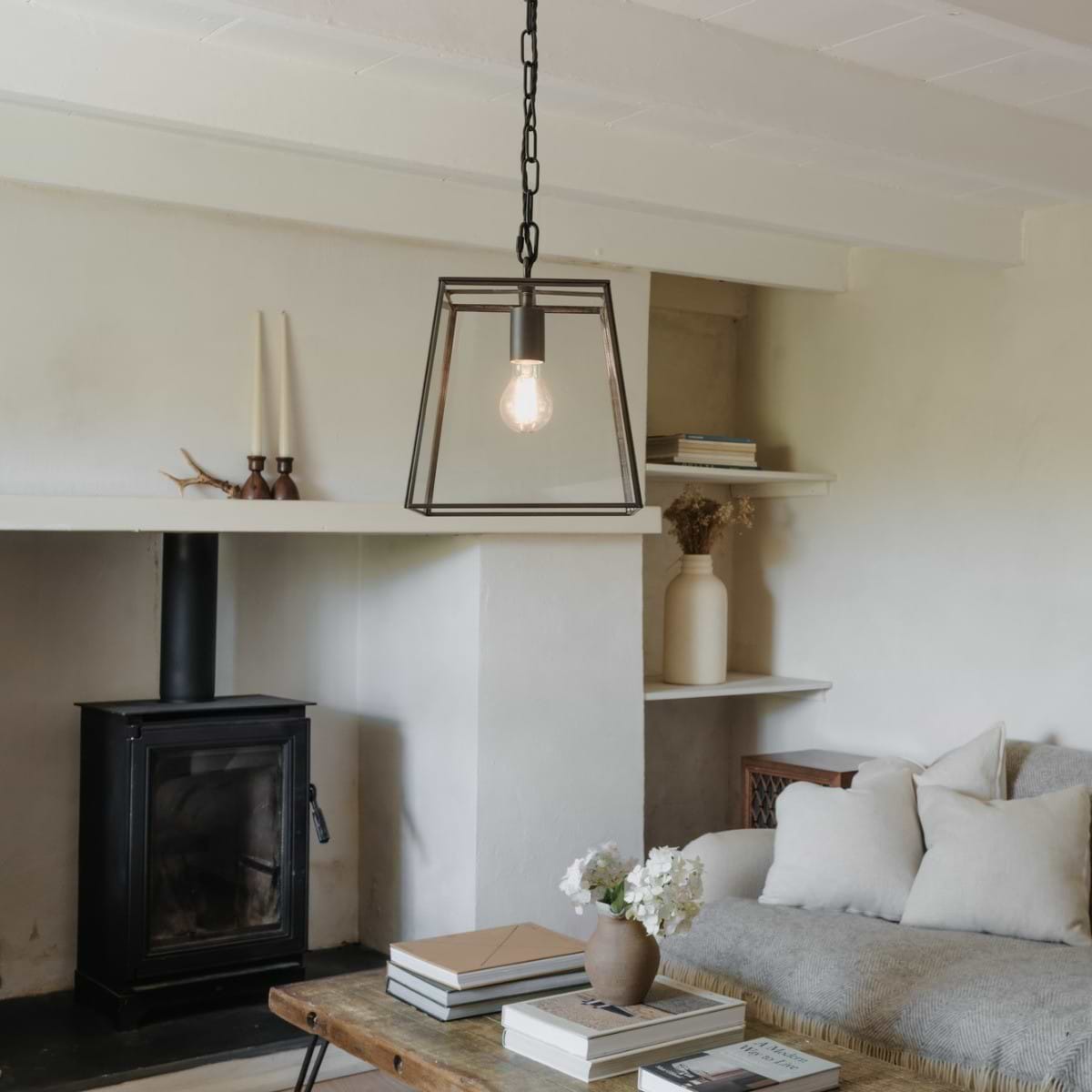
A comprehensive living room lighting plan includes:
Ambient lighting from ceiling fixtures, recessed lighting, or wall sconces that provide overall illumination ensures the space is welcoming and navigable. For rooms with high ceilings, consider a statement chandelier or pendant that fills the vertical space while providing downward light. In rooms with standard-height ceilings, flush-mount or semi-flush fixtures can provide ambient light without getting in the way.
Task lighting from adjustable floor lamps or table lamps positioned near seating for reading creates focused illumination where needed without disturbing others who may be watching television or conversing. Look for lamps with adjustable arms or heads that can be directed precisely where needed, and consider the height of the lamp in relation to your seating to ensure optimal positioning.
Accent lighting to highlight artwork, architectural features, or display shelves adds visual interest and creates depth in your living space. Picture lights, track lighting, or adjustable recessed fixtures can be directed at specific features you want to emphasize. This layer of lighting helps create visual focal points and adds dimension to the room.
Decorative lighting like a statement pendant that expresses your personal style serves as both functional illumination and artistic expression. These fixtures often become conversation pieces and can help establish the design direction for the entire room.
For maximum flexibility, place lighting fixtures on different circuits and install dimmer switches. This allows you to create multiple "scenes" that can be adjusted according to the time of day or activity. For example, you might want bright, even lighting for cleaning or entertaining, but softer, more directional lighting for movie watching.
Floor lamps serve both functional and aesthetic purposes in living rooms. They can fill empty corners while directing light upward for ambient illumination or downward for focused tasks. Look for designs that complement your interior style while providing the right type of light for your needs.
Bedroom Lighting: Balancing Function and Relaxation
Bedroom lighting should support both practical needs and the room's main purpose as a space for rest and relaxation. A well-designed bedroom lighting plan incorporates layers that can be adjusted throughout the day, from energizing morning light to soft, soothing evening illumination. The right lighting can transform your bedroom into a true sanctuary that promotes both functionality and restful sleep.
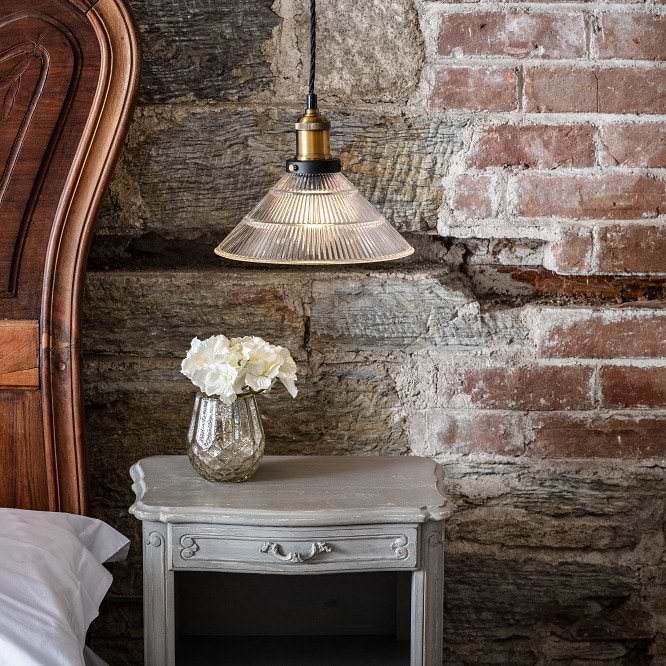
Essential bedroom lighting elements include:
Ambient lighting from a ceiling fixture, recessed lights, or cove lighting that provides overall illumination ensures you can navigate the space safely and see into closets and storage areas. The ambient lighting in bedrooms should be softer than in more active spaces like kitchens or living rooms, creating a calming atmosphere that supports the room's restful purpose.
Task lighting near dressing areas and on bedside tables for reading and other activities provides focused illumination exactly where needed. Bedside lamps should be positioned to direct light onto reading materials without disturbing a sleeping partner. For dressing areas, consider vanity lighting similar to bathroom applications, with fixtures on either side of mirrors to eliminate shadows.
Accent lighting to highlight artwork or architectural features adds visual interest and creates a personalized environment. This could include picture lights above artwork, LED strips in tray ceilings, or small uplights to emphasize textured walls or interesting architectural elements.
Decorative lighting that complements your bedroom's style and creates atmosphere serves as both functional illumination and design expression. A small chandelier or pendant light can add a touch of luxury, while uniquely designed table lamps can express your personal style and serve as decorative elements even when not illuminated.
Lighting collections that offer coordinated designs across different fixture types can help create a cohesive look in bedroom spaces. Consider selecting bedside lamps, overhead fixtures, and accent pieces from the same collection for a harmonious design that feels intentional and well-planned.
Dining Room Lighting: Setting the Scene
The dining room presents a unique lighting challenge: creating a space that feels both intimate and inviting while providing adequate illumination for meals and other activities. The right lighting enhances food presentation, helps conversation, and establishes the desired mood. Whether you're hosting formal dinner parties or casual family meals, your dining room lighting should be versatile enough to support various occasions.

A well-designed dining room lighting plan typically includes:
A central fixture such as a chandelier or pendant light positioned over the dining table serves as both the primary light source and a focal point for the room. This fixture should make a design statement that complements your interior style while providing adequate illumination for dining. For rectangular tables, consider linear chandeliers or multiple pendants arranged in a row. For round tables, a single central fixture often works best.
Ambient lighting from recessed fixtures or wall sconces to provide background illumination ensures the room doesn't feel like a spotlight on the table alone. This secondary lighting creates a more balanced environment and prevents the harsh contrast that can occur when only the table is illuminated in an otherwise dark room.
Accent lighting to highlight artwork, buffet displays, or architectural features adds visual interest and dimension to the dining space. Consider adding picture lights above artwork, small accent lamps on sideboards, or LED strips in display cabinets to showcase china or glassware collections.
Supplementary lighting from candles or small lamps for special occasions creates an intimate, flattering glow for dinner parties and celebrations. Battery-operated candles can provide a similar effect without fire safety concerns, especially in households with children or pets.
The central fixture above your dining table should be sized proportionally to both the table and the room. As a general rule, the diameter of the fixture should be approximately one-half to two-thirds the width of the table. It should hang 30-36 inches above the table surface for optimal illumination without blocking sightlines. For rooms with higher ceilings, you can raise this height slightly, adding approximately 3 inches for each additional foot of ceiling height.
Outdoor Lighting: Extending Your Living Space
Outdoor lighting extends the usability of your exterior spaces while enhancing safety, security, and curb appeal. A thoughtful outdoor lighting plan creates a welcoming ambiance that draws the eye and invites exploration of your landscape after dark. Well-designed exterior lighting can transform your garden, patio, or deck into an enchanting nighttime retreat while deterring unwanted visitors and preventing accidents.
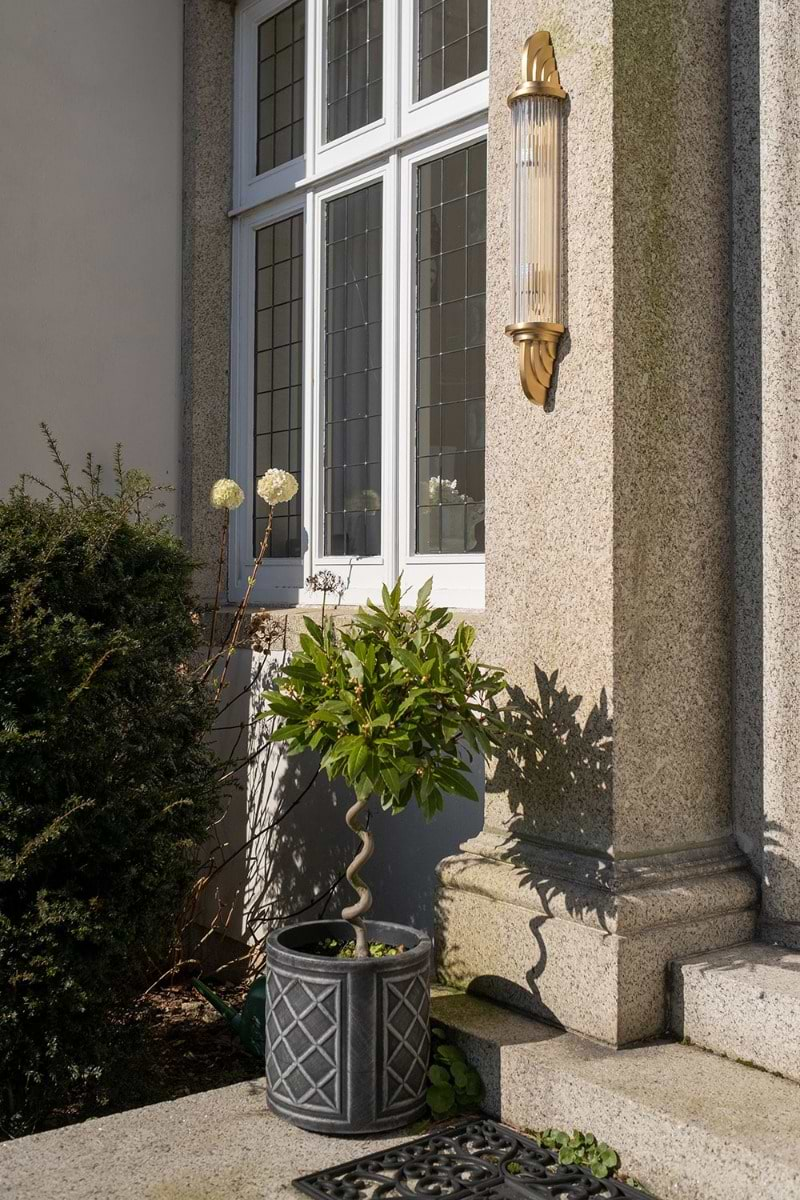
Effective outdoor lighting strategies include:
Path lighting to guide movement through the landscape and highlight walkways ensures safe navigation after dark. These fixtures are typically low to the ground and direct light downward onto walking surfaces. Space path lights approximately 6-8 feet apart for even illumination without creating a "runway" effect. Look for fixtures with shields that prevent glare and focus light where it's needed.
Uplighting to accentuate trees, architectural features, and garden focal points creates dramatic effects by casting light upward from ground-level fixtures. This technique highlights textures and creates interesting shadows that add dimension to your landscape. Uplighting can make even modest plantings look more impressive and architectural features more dramatic.
Downlighting mounted in trees or on structures to create a moonlight effect casts gentle, natural-looking illumination over larger areas. This technique, sometimes called "moonlighting," filters light through branches and leaves to create soft, dappled patterns on the ground below. It's particularly effective for illuminating patios, decks, and seating areas in a way that feels natural and unobtrusive.
Step lights for safety on stairs and level changes prevent trips and falls while adding a sophisticated design element. These fixtures can be recessed into stair risers or mounted on adjacent walls to illuminate treads without creating glare. For a modern look, consider LED strip lighting under stair nosings or along the sides of steps.
Technical Considerations for Lighting Design
Color Temperature and Light Quality
The color temperature of light significantly impacts both the appearance of your space and how you feel within it. Measured in Kelvin (K), color temperature ranges from warm (yellowish) to cool (bluish) light, with each range best suited for different applications and environments. Understanding these differences helps you create spaces that not only look beautiful but also support your well-being and daily activities.
Color Temperature Guide
- 2700-3000K (Warm White): Creates a cozy, inviting atmosphere ideal for living rooms, bedrooms, and dining areas
- 3000-3500K (Soft White): Balanced, neutral light good for kitchens, bathrooms, and workspaces
- 3500-4000K (Cool White): Bright, energizing light suitable for home offices, laundry rooms, and garages
- 4000-5000K (Bright White): Crisp, focused light for task-oriented spaces like craft rooms or workshops
- 5000K+ (Daylight): Mimics natural daylight, good for art studios or spaces where color accuracy is crucial
Beyond color temperature, consider the color rendering index (CRI) of your light sources. CRI measures how accurately a light source reveals the true colors of objects compared to natural light. For homes, look for light sources with a CRI of 80 or higher, with 90+ being ideal for areas where color accuracy matters, such as dressing areas or art display spaces. High-CRI lighting ensures that your furnishings, artwork, and even food look their best, with colors appearing vibrant and true.
Light bulbs and LED technologies have advanced significantly, offering more options for customizing the look and feel of your lighting. Many fixtures now allow for adjustable color temperature, enabling you to transition from energizing daylight to relaxing warm light as the day progresses. This flexibility supports your body's natural circadian rhythms, with cooler light during active daytime hours and warmer light in the evening to signal your body to prepare for rest.
Energy Efficiency and Sustainability
Today's lighting solutions offer unprecedented energy efficiency without compromising on quality or design. Making environmentally conscious lighting choices not only reduces your carbon footprint but can also significantly lower your energy bills over time. As lighting accounts for approximately 15% of a typical home's electricity use, improvements in this area can have a meaningful impact on both your budget and the environment.
Energy-Efficient Lighting Options
- LED Lighting: Uses up to 75% less energy than incandescent lighting with a lifespan of 25,000+ hours
- Smart Lighting Systems: Allow for precise control and automation to minimize unnecessary energy use
- ENERGY STAR Certified Fixtures: Meet strict efficiency guidelines set by the EPA
- Solar-Powered Outdoor Lighting: Harnesses renewable energy for landscape illumination
- Motion Sensors and Timers: Ensure lights operate only when needed
LED technology has revolutionised residential lighting, offering remarkable energy efficiency, longevity and design flexibility. Unlike older energy-efficient options such as compact fluorescent lamps (CFLs), LEDs contain no mercury, provide instant-on illumination and are available in a wide range of color temperatures and styles. They also generate very little heat compared to incandescent bulbs, reducing cooling costs during summer months and eliminating fire hazards associated with hot bulbs.
When shopping for energy-efficient lighting, look for lumens (brightness) rather than watts (energy consumption). This shift in focus helps you select the right brightness level while minimizing energy use. For example, an 800-lumen LED bulb provides the same brightness as a traditional 60-watt incandescent bulb while using only 8-10 watts of electricity. This simple change can reduce energy consumption by up to 85% without sacrificing light quality or quantity.
Smart Lighting and Home Automation
Smart lighting systems have transformed how we interact with our home environments, offering unprecedented control, convenience and customisation. These technologies integrate seamlessly with other home automation systems to create responsive environments that adapt to your lifestyle. From simple voice-controlled bulbs to comprehensive whole-home systems, smart lighting offers solutions for every need and budget.
Smart Lighting Features and Benefits
- Remote Control: Adjust lighting from anywhere using smartphone apps
- Voice Command: Control lights hands-free through virtual assistants like Alexa or Google Assistant
- Scheduling: Program lights to turn on/off at specific times or with sunrise/sunset
- Scene Creation: Save and activate custom lighting configurations for different activities
- Geofencing: Trigger lighting changes based on your location
- Motion Detection: Automatically illuminate spaces when movement is detected
- Color Changing: Adjust color temperature or select from millions of colors with RGB-enabled fixtures
Smart lighting systems range from simple plug-in smart bulbs that can be controlled remotely to comprehensive whole-home systems that integrate with broader automation platforms. Entry-level options like smart plugs and individual smart bulbs offer an affordable way to experiment with automation, while more advanced systems provide seamless control over all your home's lighting. This scalability allows you to start small and expand your system as your needs and comfort with the technology grow.
For maximum flexibility, look for smart lighting solutions that work with multiple platforms and communication protocols. This ensures compatibility with your existing devices and allows for future expansion of your smart home ecosystem. Popular protocols include Wi-Fi, Bluetooth, Zigbee, and Z-Wave, each with its own advantages in terms of range, reliability, and device compatibility. Some systems also offer hub-based solutions that can bridge between different protocols, providing maximum flexibility.